
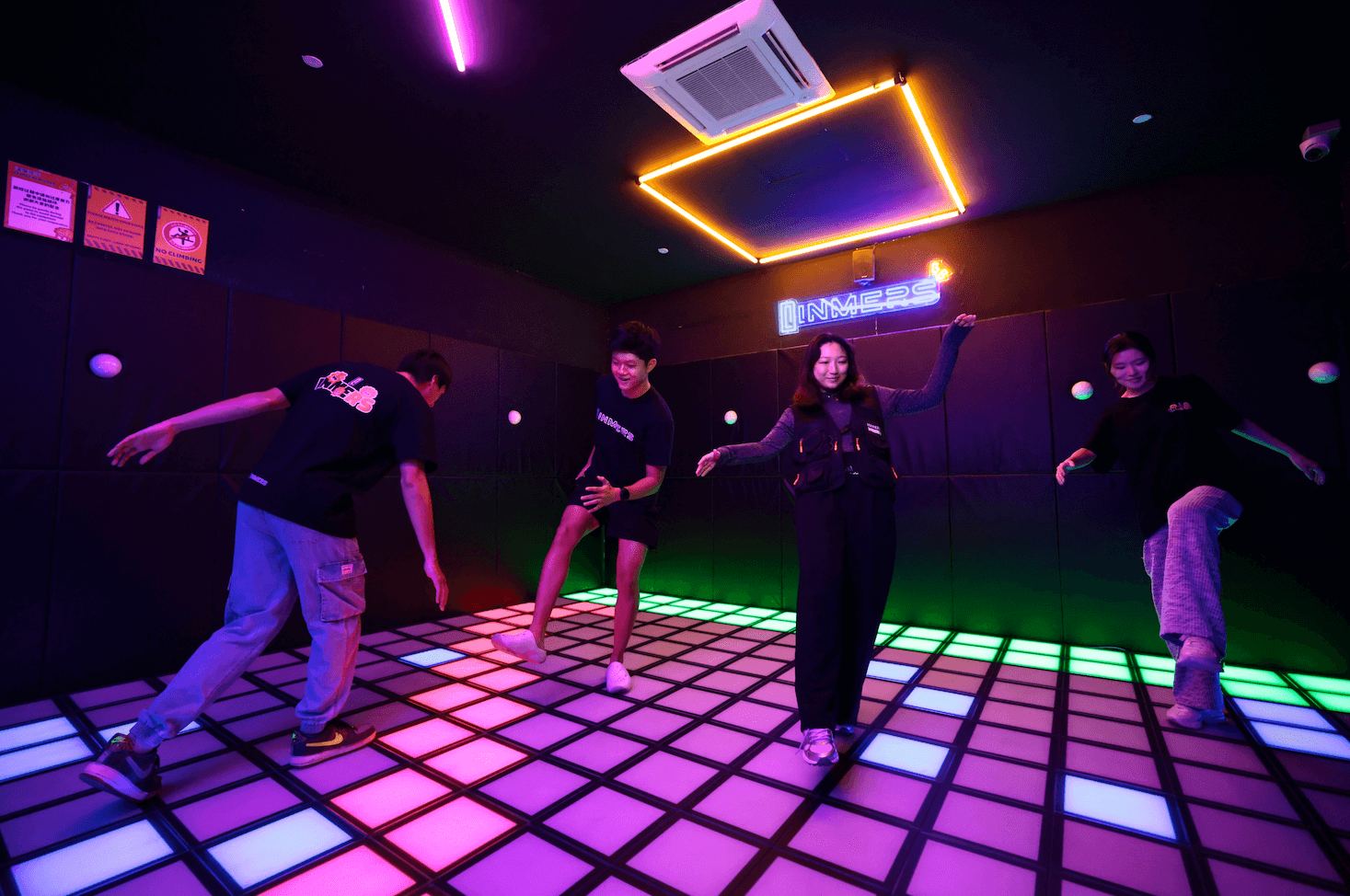
The Floor Is Lava game looks simple at first glance. Don’t touch the ground. Keep moving. Stay alive. Then reality hits.
Someone hesitates. Someone slips. Someone jumps too early. Suddenly, half the team is “out”, and the lava wins.
Whether you’re playing for fun, bragging rights or team pride, the Floor Is Lava game rewards quick thinking, sharp movement and strong teamwork. The good news? You don’t need superhuman balance or athletic skills to get better. Small adjustments go a long way.
Here are practical, easy-to-apply tricks that actually help you survive longer and play smarter.
Know the Rules Before You Move
This sounds obvious, but it isn’t.
Every Floor Is Lava setup has its own rules. Some platforms move. Some sink. Some allow only one person at a time. Others (or most) punish hesitation.
Before the game starts, listen carefully. Ask quick questions if allowed. Watch how the environment reacts when others step on it.
Rushing in blind is how most players lose early.
Start Slow, Not Fast
Many players explode off the starting platform like it’s a race. That rarely works.
The opening moments should be about control, not speed.
Take one step. Test balance. Feel how stable the platform is. Notice how far the next safe zone really is. A calm start sets the tone for the rest of the game.
Fast players fall, but steady players last.
Keep Your Centre Low
High jumps look cool. They also fail often.
Bending your knees and lowering your centre of gravity gives you better balance and control. It also makes quick recoveries easier if you land slightly off.
Think “stable” before “flashy”.
Plan Two Moves Ahead
Good players don’t just look at the next platform. They look at the one after that.
Before you jump, you already know where you’re going next. This prevents freezing mid-game, which is one of the fastest ways to lose.
A simple habit helps:
- Before stepping off, identify your next landing
- Immediately spot your next escape option
Movement feels smoother when your brain stays ahead of your feet.
Talk Constantly
Silence kills teams.
Call out safe spots. Warn others if a platform shifts. Let teammates know when you’re stuck or need help.
Short phrases work best:
- “One at a time!”
- “That one changes!”
- “Go left, not right!”
Clear communication turns chaos into coordination.
Use Your Team’s Strengths
Not everyone should play the same role.
Some players are quicker. Some are steadier. Some think faster under pressure. Use that.
Let confident movers go first to test paths. Use stable players as anchors when sharing platforms. Keep calm communicators guiding from safer spots.
The best teams adapt instead of forcing everyone into the same approach.
Don’t Crowd a Platform
Crowding feels safe. But don’t let that mindset deceive you.
Too many people on one surface increases movement, panic and mistakes. If the rules allow limited occupancy, respect it.
Give teammates space. Wait for your turn. Patience often keeps the whole team alive longer.
Watch Other Players Closely
Even if you’re not moving, you’re still playing.
Watch how platforms react when others land. Is there a pattern? Notice which routes fail. Learn from mistakes that aren’t yours.
Observation is a free advantage. Use it.
Stay Light on Your Feet
Heavy stomping throws off balance and timing. Controlled steps help you adjust quickly.
Land softly. Shift weight gradually. Keep your feet ready to move again right away.
This matters even more in immersive environments where lighting, sound and movement add pressure.
Control Your Breathing
When players panic, their movements get sloppy.
Take steady breaths. Slow exhaling helps calm your body. Calm players make better decisions, especially when the floor feels like it’s closing in.
This small habit can save you at critical moments.
Expect the Unexpected
Some Floor Is Lava games add surprises. Platforms might disappear faster with each level. New paths might open. Visual effects might distract you.
Instead of freezing, accept change as part of the game.
If something shifts, adjust. If a route fails, redirect. Flexibility keeps you alive longer than stubborn plans.
Practise Balance in Real Life
You don’t need special training, but basic balance helps.
Simple activities improve body awareness:
- Standing on one foot
- Light stretching
- Controlled stepping exercises
These small habits make in-game movement feel more natural.
Keep Your Eyes Moving
Don’t stare only at your feet.
Scan the space. Watch teammates. Track changes in the environment. Visual awareness keeps you prepared for sudden shifts.
Your eyes guide your timing.
Learn When to Wait
Waiting feels risky. Sometimes it’s the smartest move.
If the next platform is unstable or crowded, pause. Let the situation settle. Move when conditions improve.
Players who wait wisely often outlast reckless ones.
Turn Mistakes Into Adjustments
Everyone slips. Everyone misjudges a jump.
The key is how fast you recover mentally.
If you make a mistake:
- Reset your stance
- Refocus
- Adjust your approach
Dwelling on errors leads to more of them.
Why the Experience Matters
Floor Is Lava becomes even more intense inside immersive environments like INMERS, where lighting, sound design, story elements and physical effects raise the stakes.
INMERS offers a Floor Is Lava game that blends movement, teamwork and atmosphere, making every decision feel more real. The environment pushes players to stay alert, communicate clearly and trust each other under pressure.
That combination turns a simple concept into a memorable group challenge.
Final Thoughts
Getting good at Floor Is Lava isn’t about being the fastest or strongest person in the room. It’s about balance, awareness, teamwork and calm decision-making.
Slow down when needed. Speak up. Watch closely. Move with purpose.
Do that, and the lava becomes a lot less scary even when the room says otherwise.
Ready to test your skills? Just remember: the floor is never your friend. Find out how good you are here.












19 Responses